
villages scouting
In March 2025, Alessandro arrived in Palomino, Colombia to begin a different kind of search.
Through Caro and Marco, he had been connected with William, a local topographer whose work is as practical as it is essential: finding land, checking boundaries, reviewing documents, tracing what is legal, what is missing, and what only appears clear from a distance.
What followed was not a retreat, and not a romantic escape into tropical landscape. It was work.
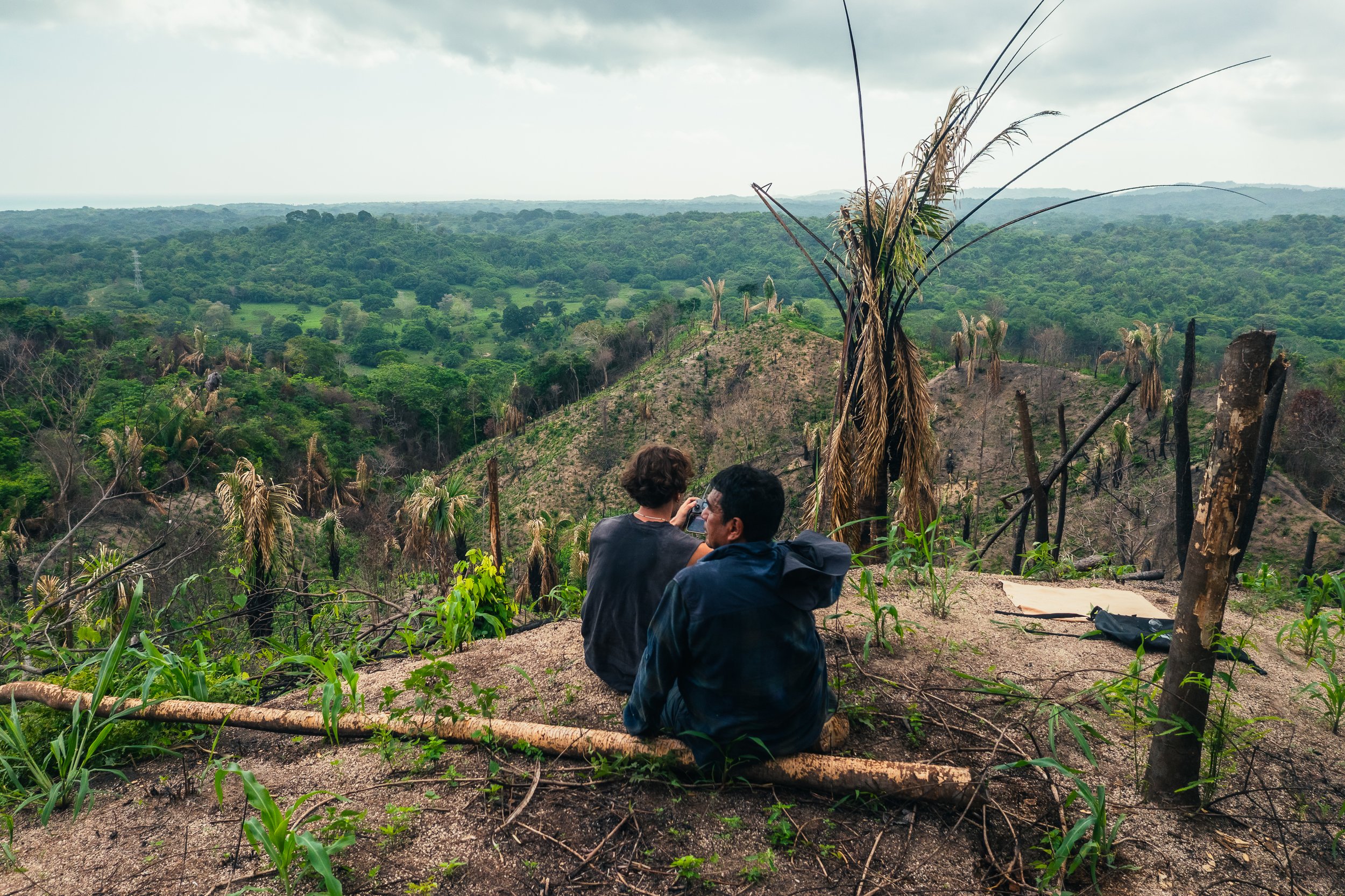
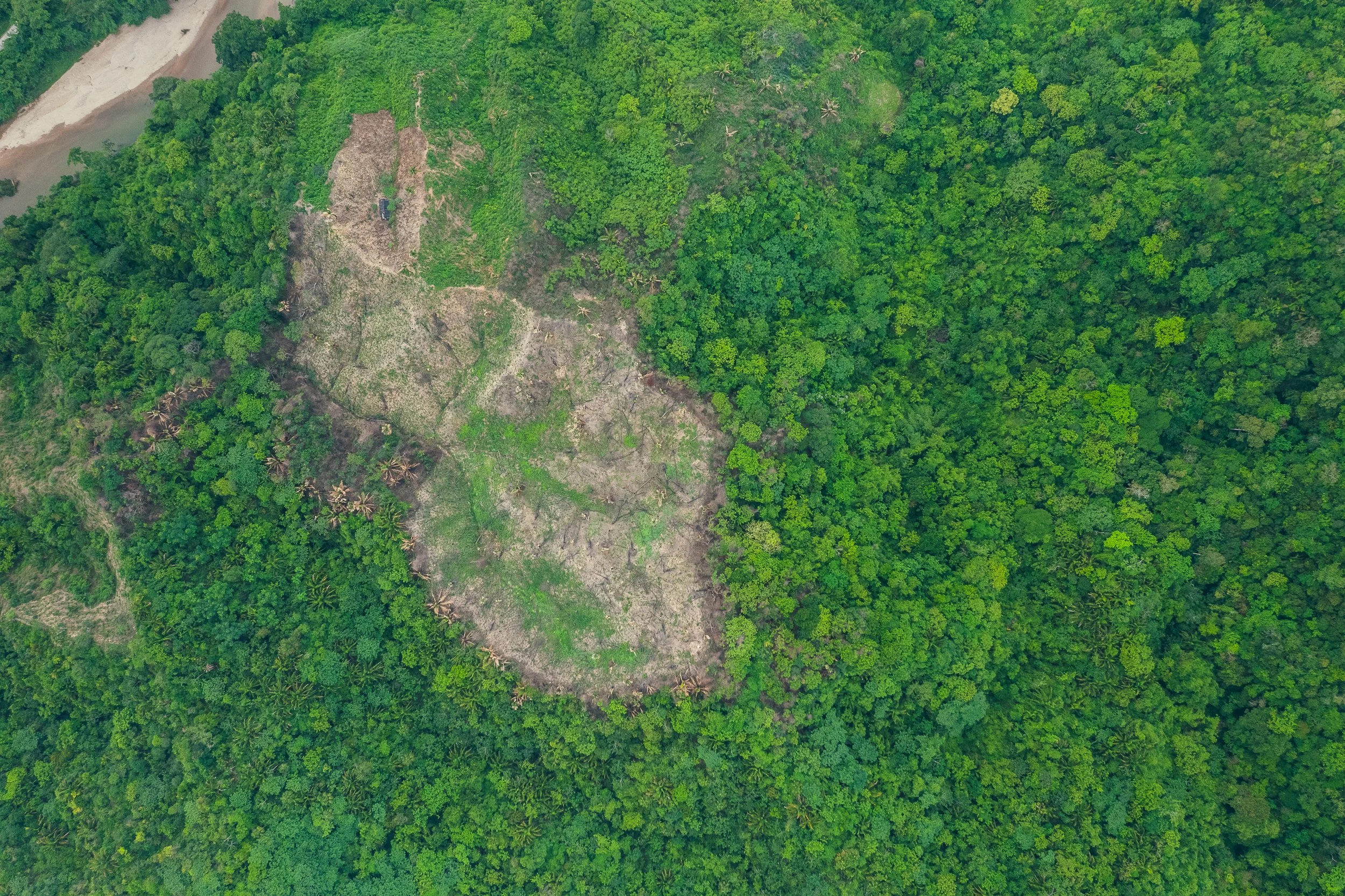
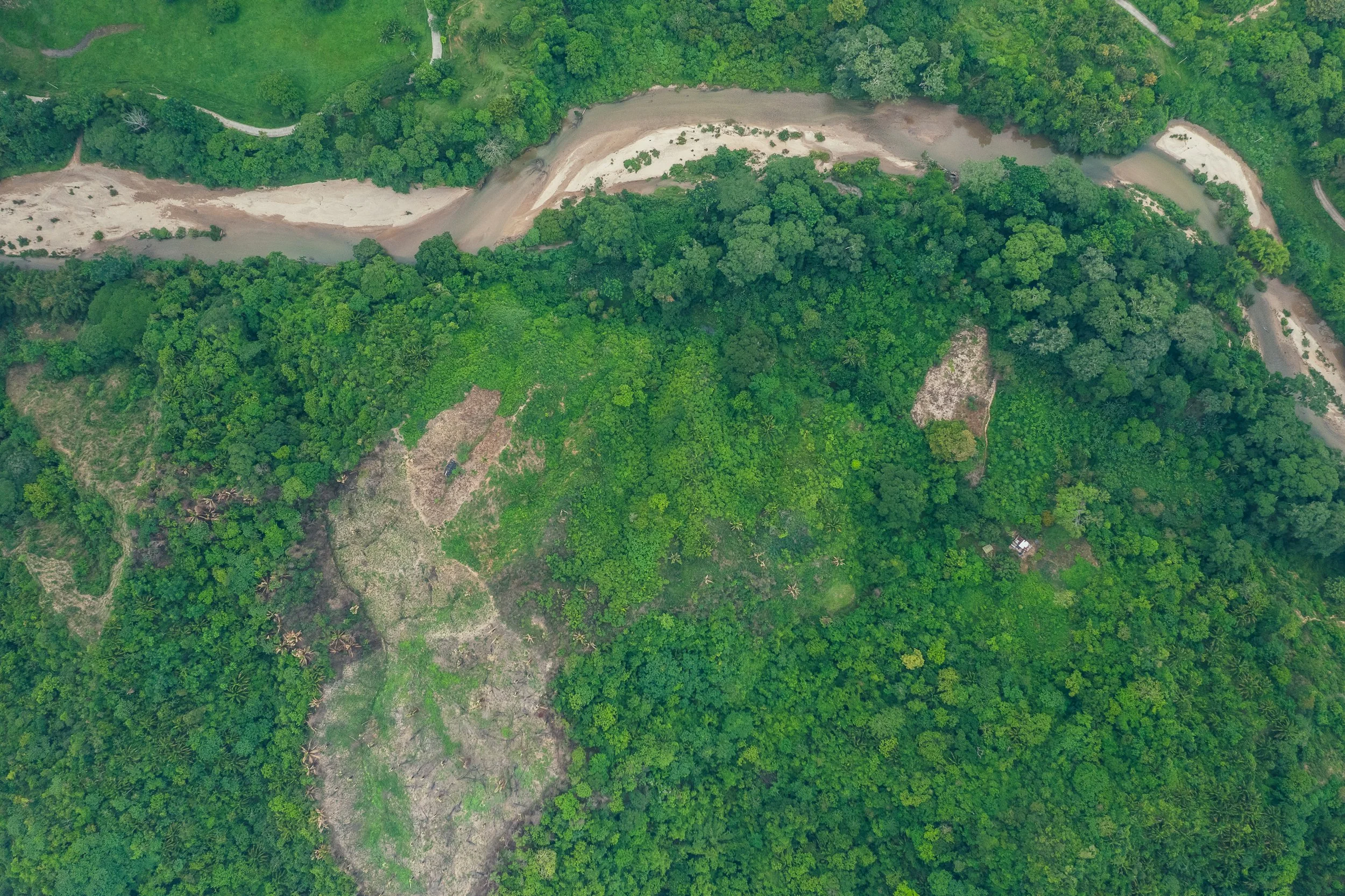
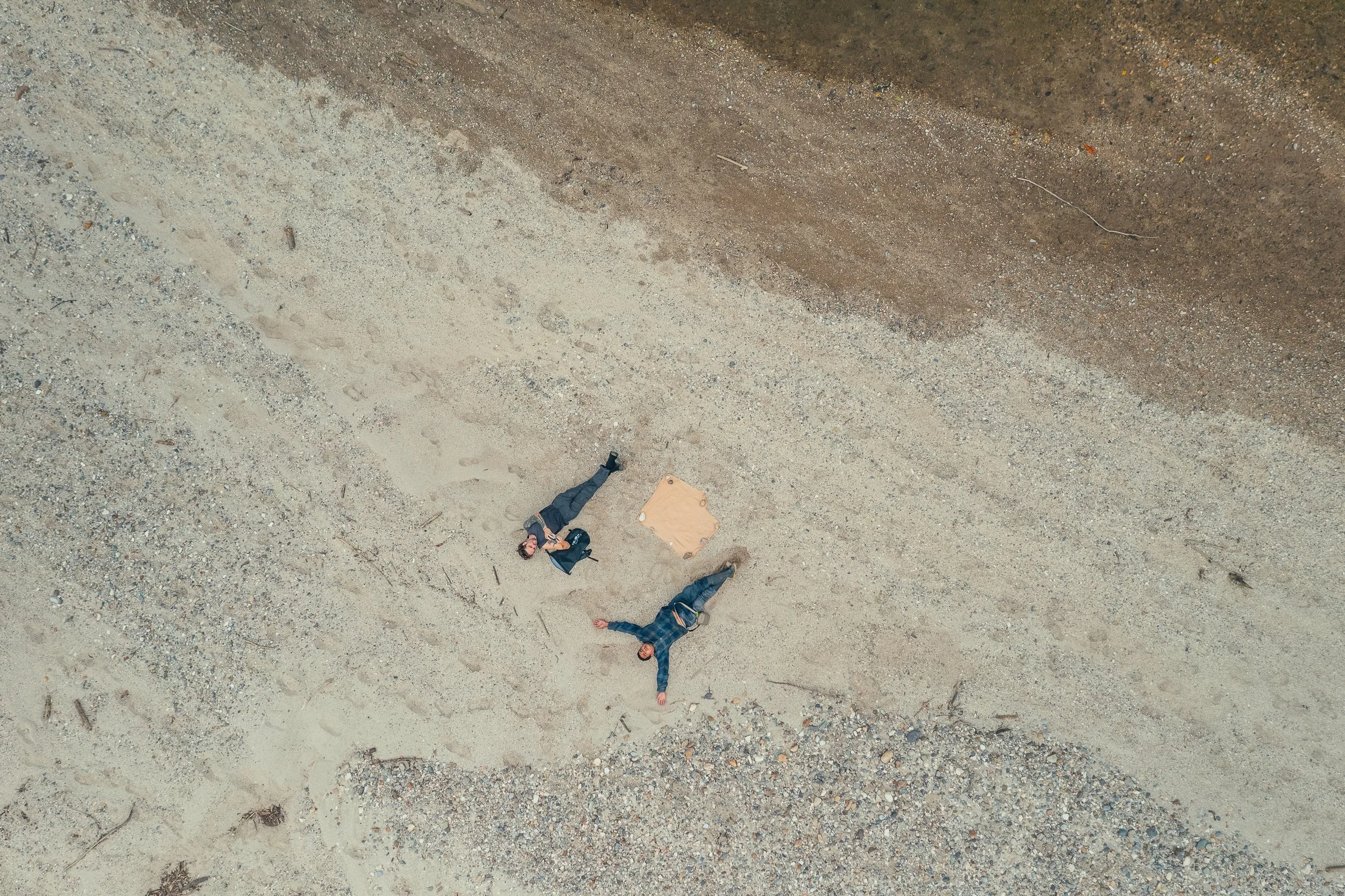
Over the course of weeks, William, Alessandro + Vanessa visited around twenty different places in and around Palomino and the Sierra Nevada de Santa Marta. One of them is the land shown in the video. Behind them, the snowy peaks of the Sierra Nevada. In front of them, the sea. Between those two immensities, a mountain territory that seemed to hold both beauty and complexity at once.
They walked land.
They checked access.
They spoke with locals.
They met with the mayor.
They searched for the right papers.
And they began the long process of understanding what it really means to look for land in another part of the world. Because land is never only land.
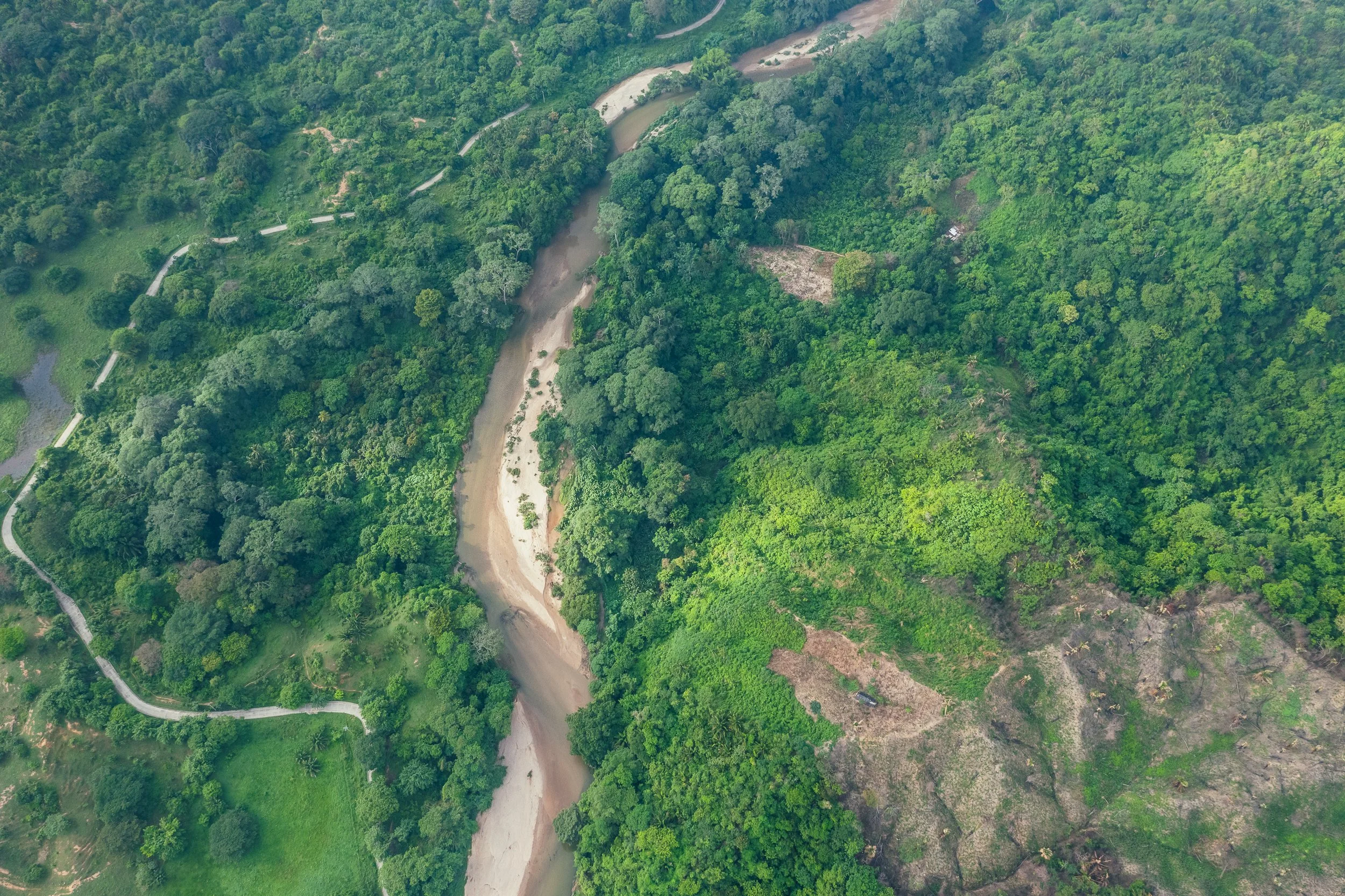
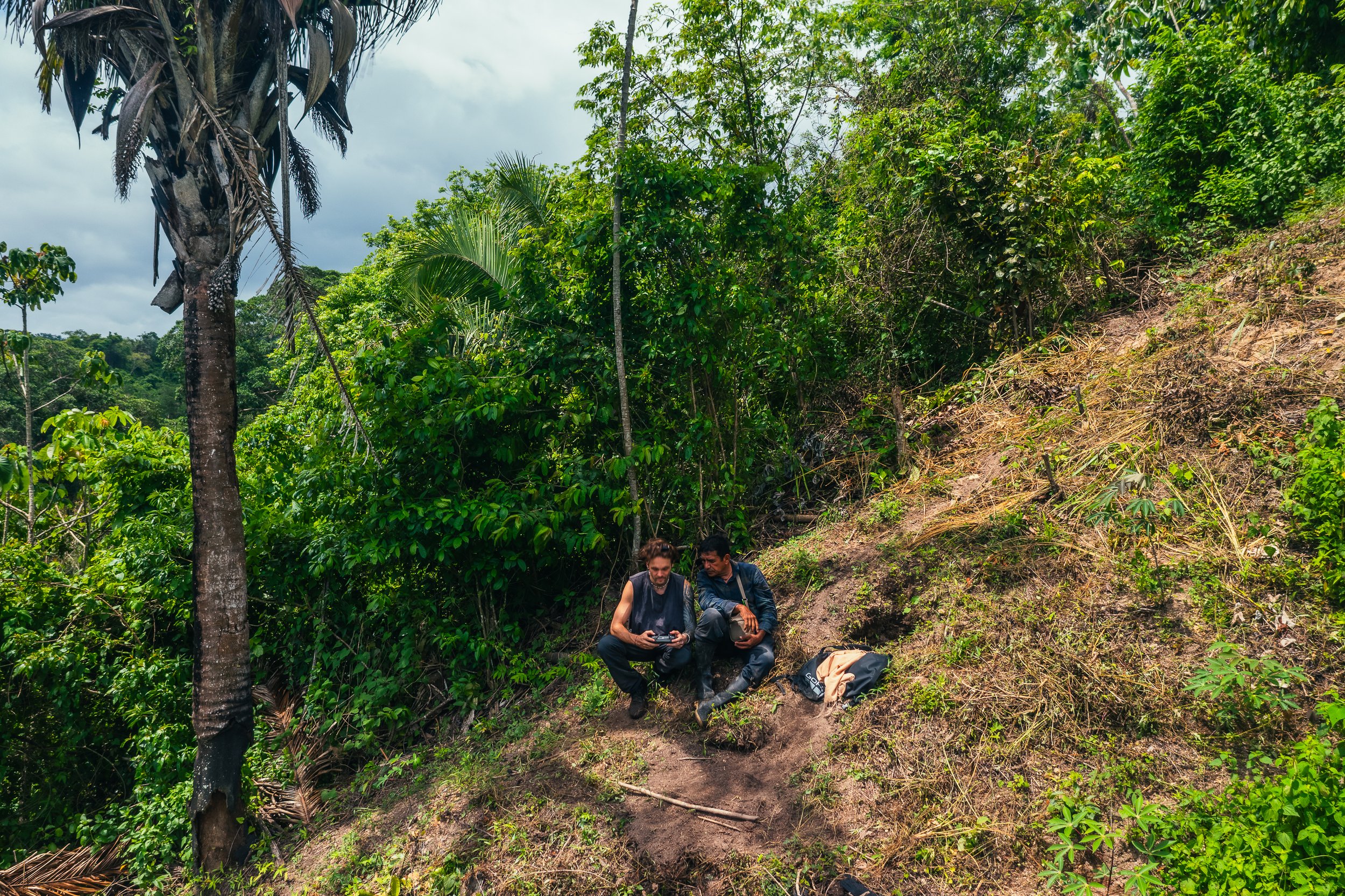
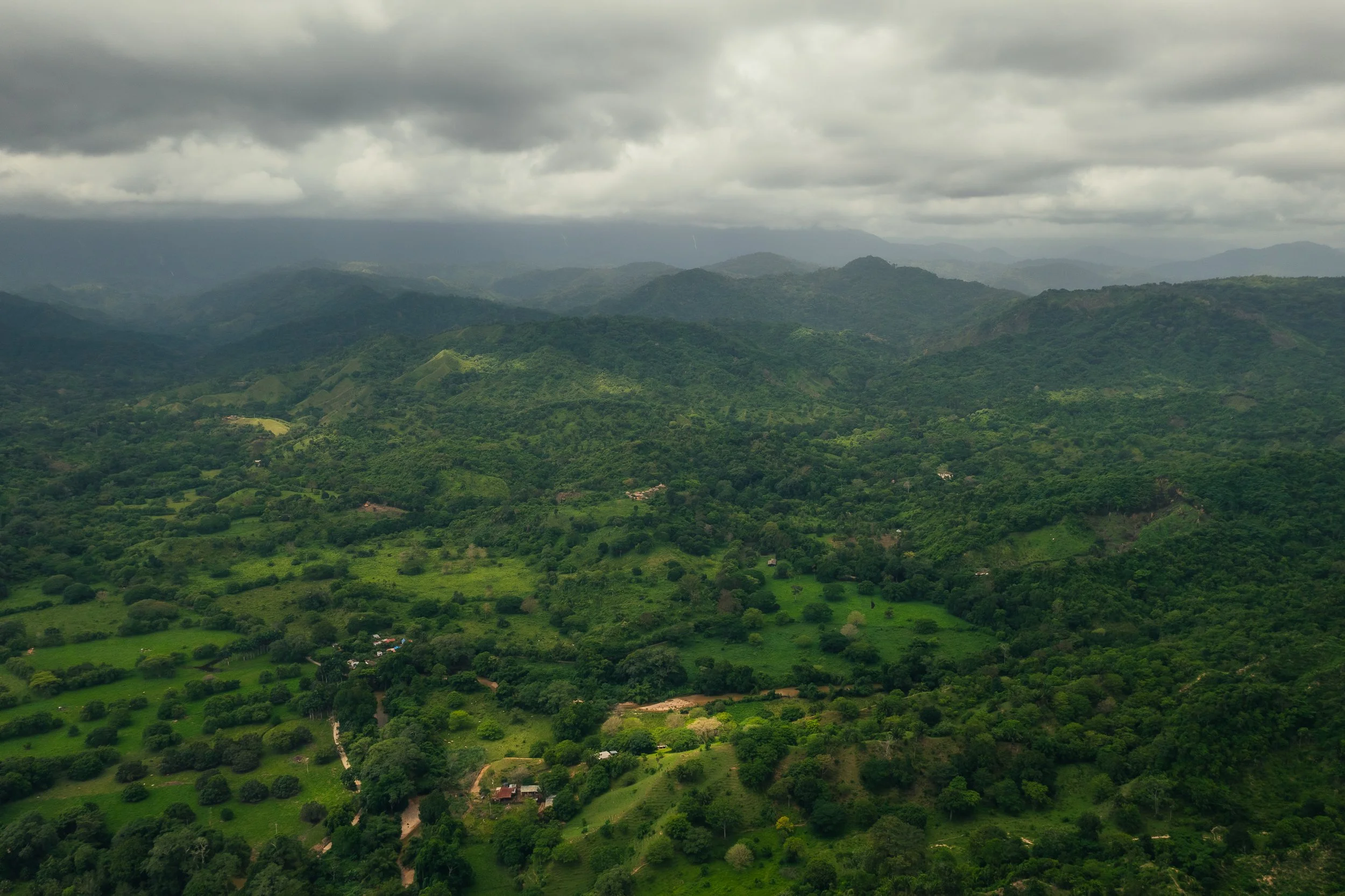
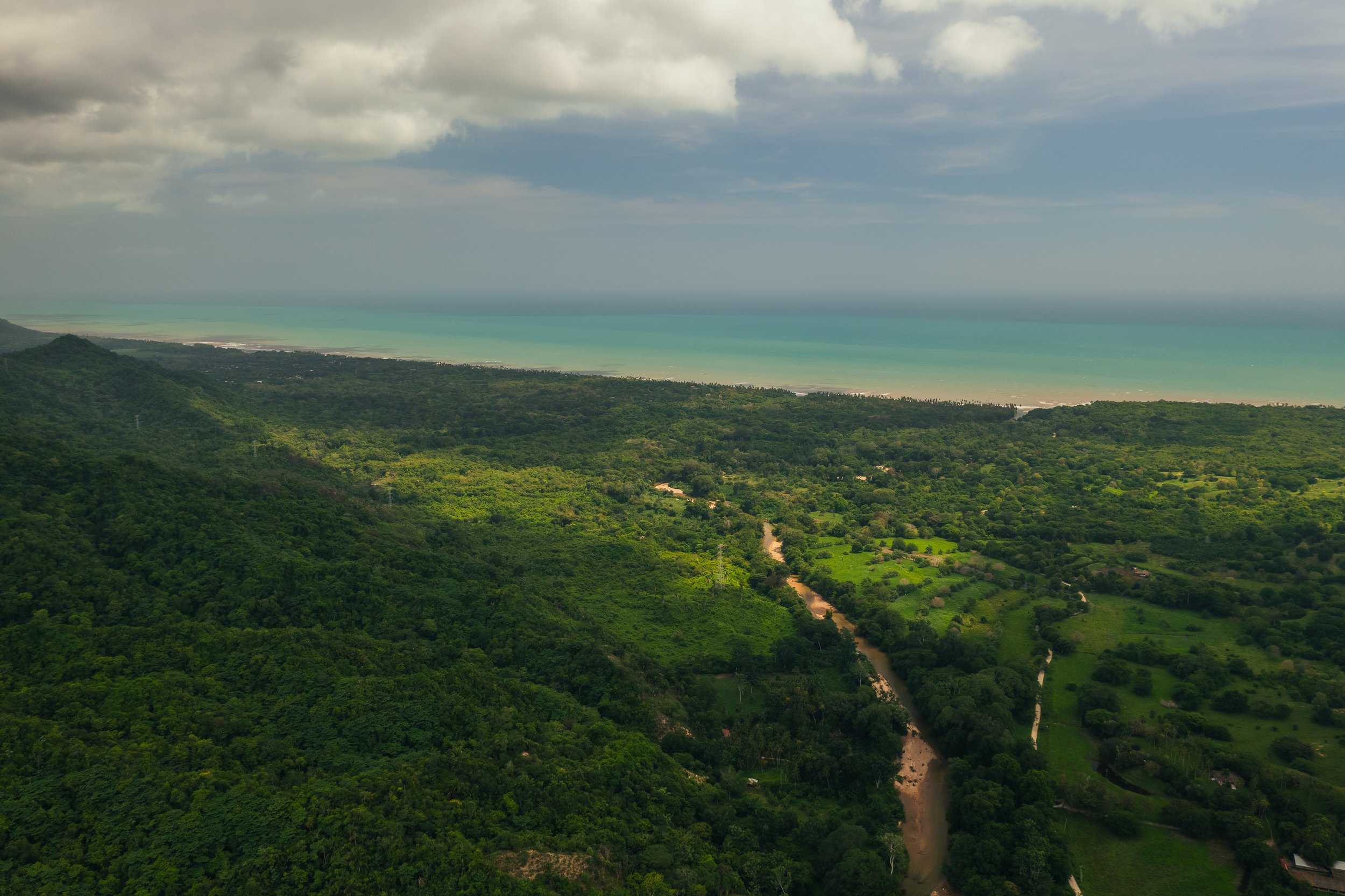
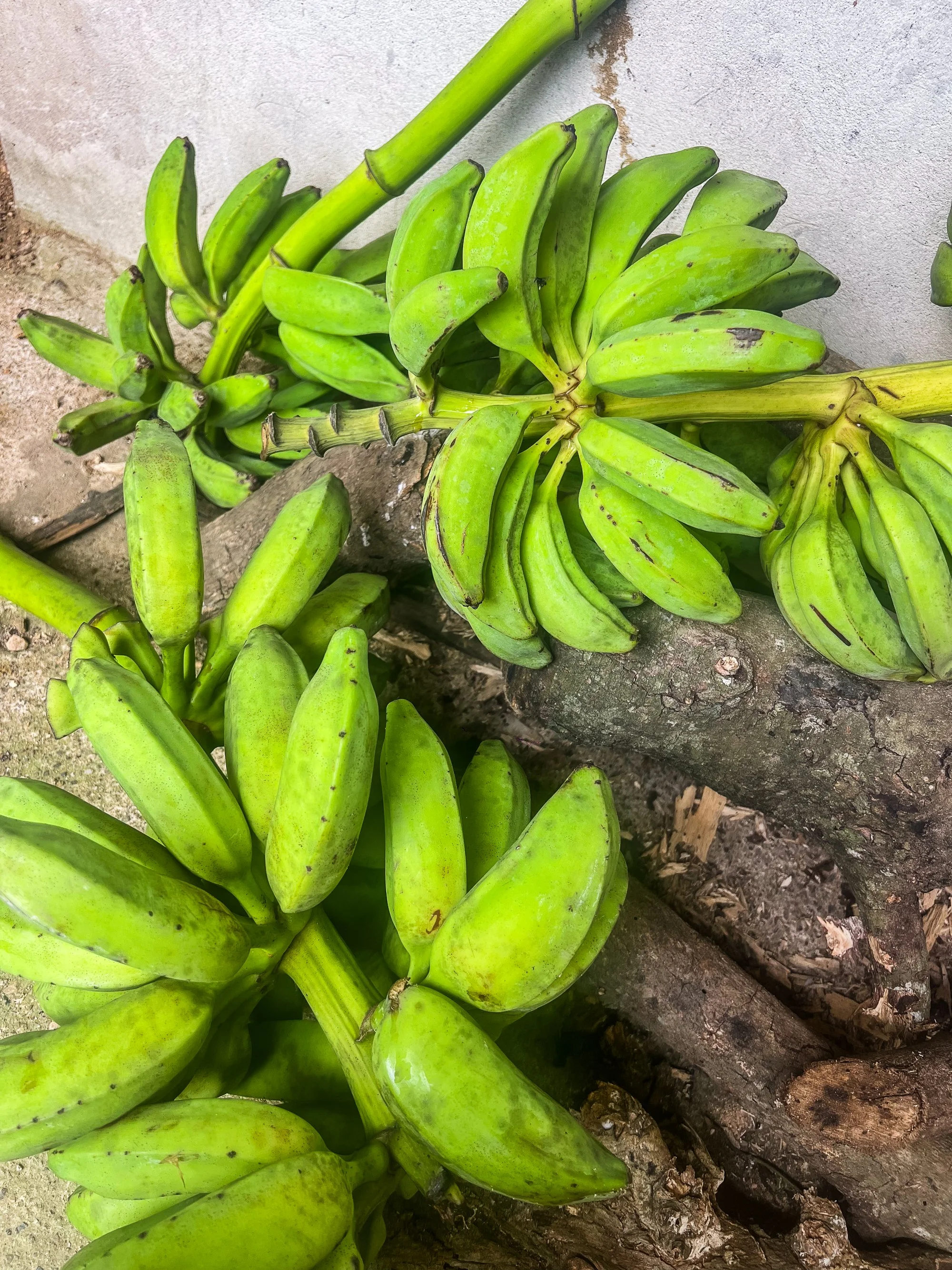
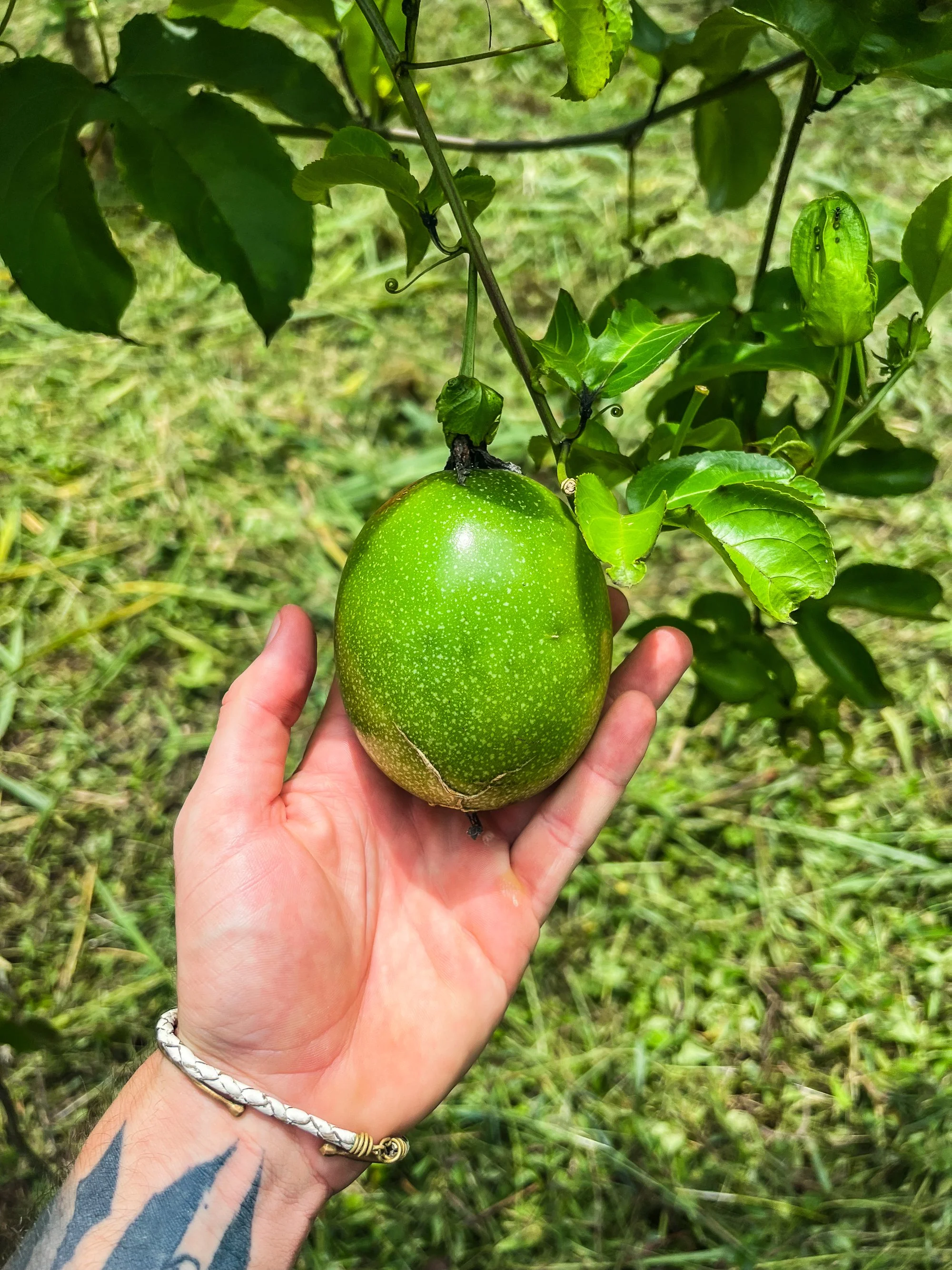
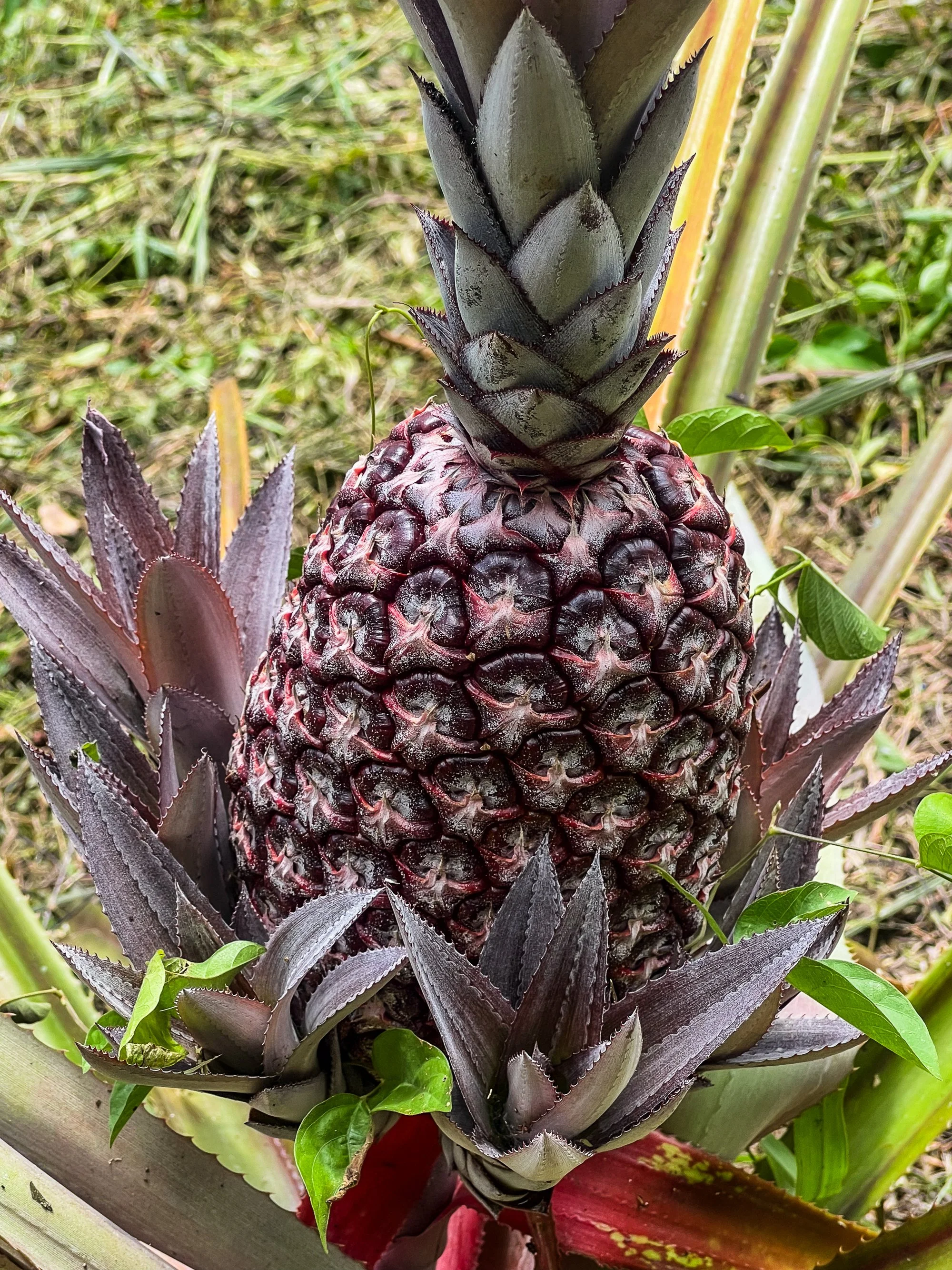
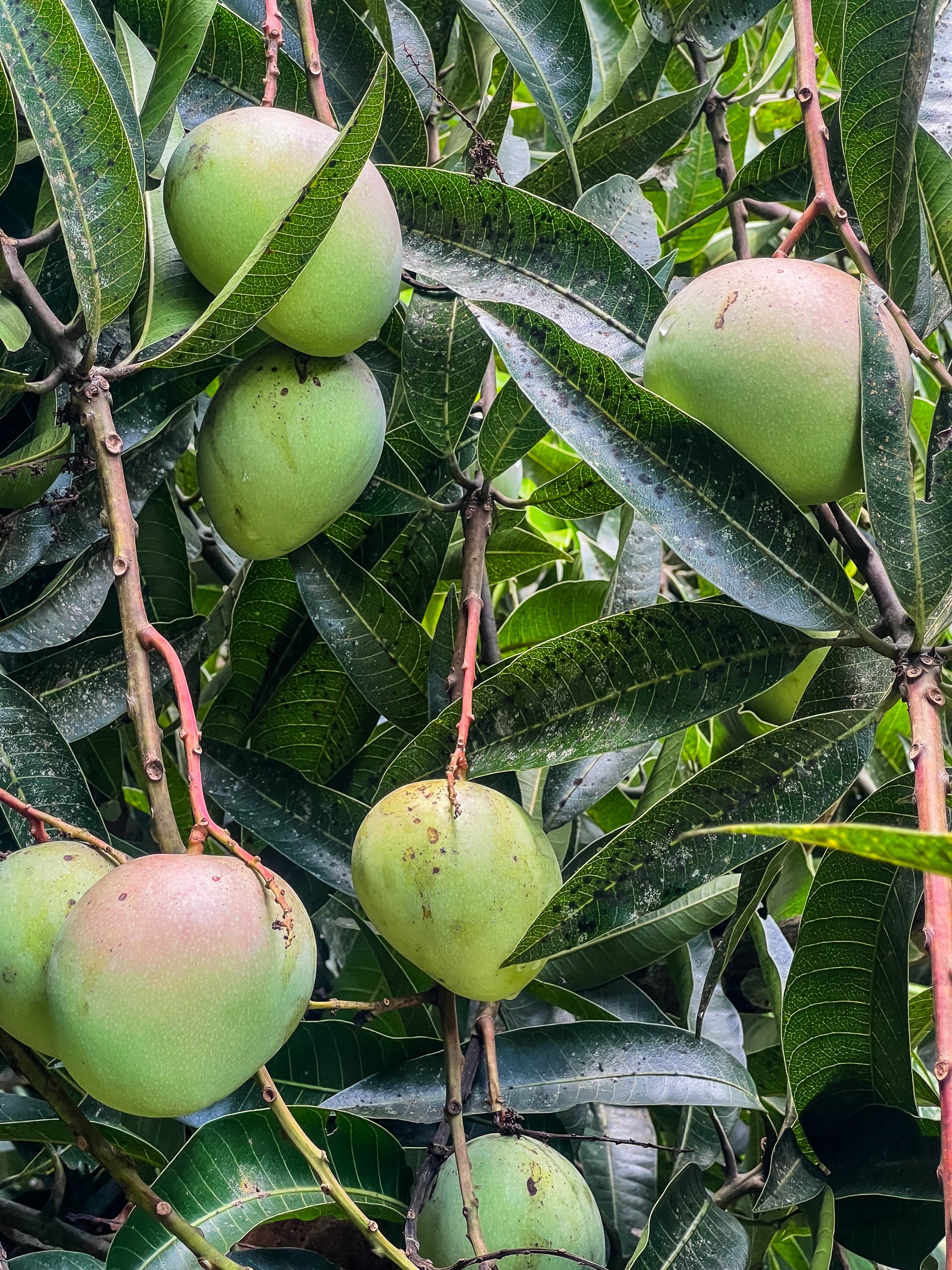
In Colombia, especially in rural areas, buying land can require much more than a visit and a handshake. Ownership records, cadastral references, title history, legal boundaries, public registration, notarial review, and the consistency of official documents all matter. Even when a place looks promising, the paper trail can remain unclear for months. In some cases, much longer. Official Colombian systems themselves reflect how important the relationship between registry, cadastre, and legal identification of rural property really is.
There are other layers too.
Depending on the territory, there may be environmental restrictions, land-use limitations, or questions related to the presence of indigenous or Afro-descendant communities, where additional legal and administrative processes can become relevant.
And then there is the part that is harder to place neatly into documents.
In parts of Colombia, rural land does not exist outside of wider political and economic realities. Illicit economies, armed actors, money laundering, and territorial pressure have shaped entire regions for decades. That does not mean every property is affected in the same way. It does mean that due diligence is never a formality. It is part of reading the land itself.
This is exactly what William and Alessandro were doing.
Not looking for fantasy.
Looking for clarity.
The trip was about gathering experience on the ground, building relationships, and understanding how global partnerships can only grow when they are rooted in local reality. It was also about learning how much patience such a process demands. More than a year later, parts of the document situation are still being clarified. That alone says a lot.
For us, Colombia remains an option.
Not because it is simple.
Because it is meaningful enough to take seriously.
If structure, legal clarity, notarial review, topographic assessment, and the full document situation align, it may still become part of the wider picture. Until then, it remains what it has honestly been from the beginning: a real exploration, a demanding learning process, and one chapter within a larger search that now continues in Sicily as well.
Some places open through vision.
Others open through verification.
The real work is knowing the difference.
